
Fill Out Form 1095-A, Health Insurance Marketplace Statement
Enrolled in a marketplace health plan and received advance premium tax credits? Your 1095-A is the bridge between your coverage and your tax return. Upload the PDF, and Simplicity AI walks you through every field: policy details, monthly premiums, SLCSP amounts, and advance credits. Get it right the first time so your Form 8962 reconciliation doesn't cost you money or delay your refund.

AI converts the 1095-A into an interactive form. No manually tapping into 12 rows of monthly premium data or squinting at tiny columns.
Upload your marketplace enrollment documents or prior year's 1095-A as a source document, and AI pulls policy numbers, SSNs, and coverage dates into the correct fields.
Multiple household members on different marketplace plans? Create a separate Form 1095-A for each policy, with shared details already completed.
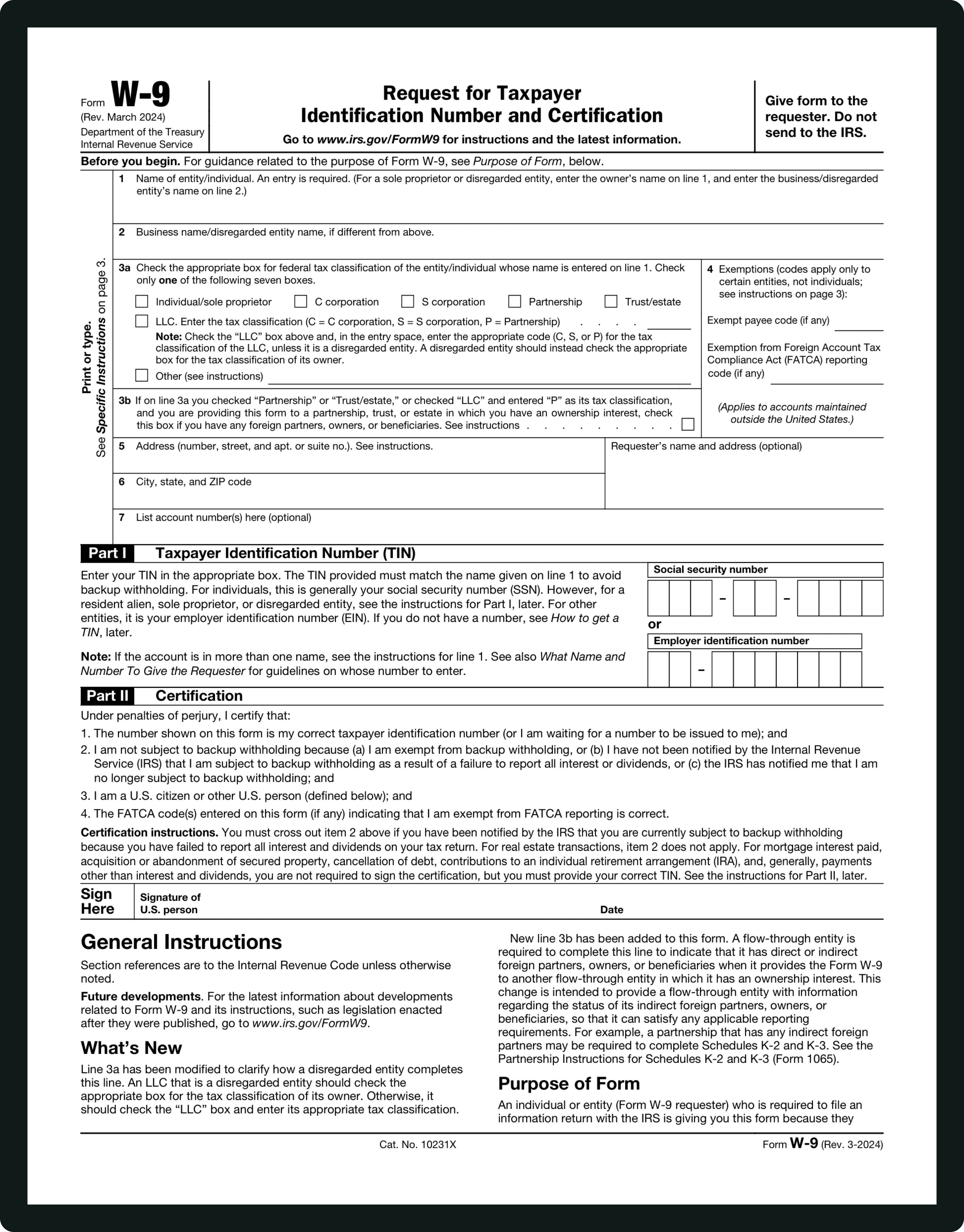
Form INFORMATIONS
Part I — Recipient Information (Lines 1–15):
Line 1 (Marketplace Identifier): Code identifying which Health Insurance Marketplace you enrolled through (federal or state-based). The Marketplace generates it. Line 2 (Policy Number): Unique policy number from the Marketplace—not your member ID. Line 3 (Policy Issuer's Name): Insurance company that issued the plan. Line 4 (Recipient's Name): Name of the tax filer expected to claim the premium tax credit. Line 5 (Recipient's SSN): Must match your tax return; Line 6 (Date of Birth) used if no SSN. Lines 7–9: Spouse name, SSN, DOB if advance credits applied. Lines 10–11: Policy start and termination dates. Lines 12–15: Recipient's address as recorded by the Marketplace.
Part II — Covered Individuals (Lines 16–20):
Each line reports one person covered (up to five). Column A: Covered individual name. Column B: SSN (or Column C: DOB if no SSN). Column D: Coverage start date. Column E: Coverage termination date. Coverage dates can differ per person (e.g., child born mid-year). Simplicity AI creates a line per person and flags missing SSNs or date gaps.
Part III — Monthly Premiums and Tax Credits:
12 rows (January–December) plus Line 33 annual total. Column A: Monthly enrollment premium (before credits). Column B: Monthly Second Lowest Cost Silver Plan (SLCSP) premium—critical benchmark for Form 8962; blank or zero when you had coverage means the Marketplace may not have correct household info. Column C: Monthly advance payment of premium tax credit (APTC). Line 33: Annual totals for each column, carried to Form 8962. Simplicity AI calculates Line 33 and flags months where Column B is blank or zero despite active coverage.
WHAT IS FORM 1095-A?
What Is Form 1095-A and Who Needs to File It?
Form 1095-A, the Health Insurance Marketplace Statement, is the official IRS form that reports details about health insurance coverage purchased through the Health Insurance Marketplace (HealthCare.gov or a state-based exchange). It documents who was covered, the monthly premium amounts, and the amount of advance premium tax credit (APTC) applied to reduce those premiums throughout the year.
You'll receive a 1095-A if anyone in your household enrolled in a qualified health plan through the Marketplace during the tax year. The form comes from the Marketplace itself, typically by mid-February. You need it if: you or a family member enrolled and received advance premium tax credits; you paid full price but want to check if you qualify for credits when you file; you're a Marketplace administrator issuing 1095-As; you had coverage for only part of the year; or you had household changes (marriage, divorce, new baby) that affect coverage and credits.
Unlike Form 1095-B or 1095-C, Form 1095-A contains the monthly premium data, SLCSP benchmarks, and advance credit amounts needed to complete Form 8962 (Premium Tax Credit). Without an accurate 1095-A, you can't reconcile your credits—the IRS can delay your refund or pause future eligibility. Simplicity AI helps you fill and verify every field so Form 8962 reconciliation starts on solid numbers.
How to Fill Out Form 1095-A Online Using Simplicity AI
1
Upload your 1095-A PDF to Simplicity AI. The AI scans all three parts, detects every field from recipient information through the monthly premium and credit columns, and converts it into a guided questionnaire.
2
Enter the Marketplace identifier, policy number, and insurance issuer name. Marketplace administrators can carry over institutional details so you don't retype on every form.
3
Enter the recipient's name, SSN, spouse information (if applicable), policy dates, and address. Upload enrollment data as a source document and Simplicity AI pulls recipient details into Part I.
4
Add each covered individual in Part II: names, SSNs, dates of birth, coverage start and end dates. Simplicity AI creates a line per person and flags missing SSNs or date gaps before Part III.
5
Enter Part III monthly figures: enrollment premium (Column A), SLCSP premium (Column B), and advance premium tax credit (Column C). Simplicity AI calculates Line 33 annual totals and flags any month where Column B is blank or zero when coverage was active.
6
Review all fields across all three parts for accuracy, then export your completed Form 1095-A as a clean PDF. Part III numbers flow into Form 8962, so getting them right here means no corrections later.
Super Fast
The 1095-A has 12 months of data across three columns, plus recipient details and covered individuals. Upload enrollment data as a source document, and let AI populate the monthly rows instead of manually entering 36+ figures.
AI-Powered
Simplicity AI understands the 1095-A structure, from Marketplace identifiers in Part I through SLCSP premiums in Part III. It flags blank SLCSP months, validates coverage dates against premium entries, and calculates annual totals so Form 8962 reconciliation starts on solid numbers.
Secure
Your 1095-A contains SSNs, dates of birth, premium amounts, and tax credit details for every covered household member. Documents are encrypted, handled privately, and never shared. Your data stays yours.
FAQs
Frequently Asked Questions About Form 1095-A
What is Form 1095-A, and why do I need it?
Form 1095-A is the Health Insurance Marketplace Statement. If you or anyone in your household is enrolled in a health plan through HealthCare.gov or a state-based exchange, the Marketplace will send you this form. It reports your monthly premiums, the second-lowest-cost silver plan (SLCSP) benchmark, and any advance premium tax credits applied. You need it to complete Form 8962, which reconciles the credits you received against what you're entitled to based on your final income.
How do I fill out a 1095-A online for free?
Upload your 1095-A PDF to Simplicity AI for free. The platform converts it into a guided interactive form that walks you through Part I (recipient information), Part II (covered individuals), and Part III (monthly premiums and credits). Enter your details, review the monthly figures, and export a clean PDF. Marketplace administrators can auto-fill each form from saved enrollment data.
What's the difference between Form 1095-A, 1095-B, and 1095-C?
Form 1095-A is issued by the Marketplace for coverage bought through HealthCare.gov or a state exchange and includes premium and tax credit data for Form 8962. Form 1095-B comes from your insurer or government program and confirms minimum essential coverage. Form 1095-C is from employers (50+ full-time employees). Only 1095-A triggers the requirement to file Form 8962.
What if Column B (SLCSP) shows zero or is blank for months I had coverage?
This usually means the Marketplace didn't have accurate household information for those months (e.g., unreported life changes). You'll need to determine the correct SLCSP premium before filing. Use the IRS tax tool or your Marketplace account to look up the correct benchmark premium for the affected months.
What happens if my 1095-A has errors?
Do not file your taxes using an incorrect 1095-A. Contact the Marketplace Call Center (1-800-318-2596) to request a corrected form. If you already filed with wrong information and later receive a corrected 1095-A, you may need to amend with Form 1040-X. Wrong premiums or credit amounts can mean owing money back or missing credits you're entitled to.
Do I need a 1095-A if I paid full price and didn't get financial assistance?
Yes, you'll still receive one if you enrolled through the Marketplace. Column C will show zero, but you should still consider filing Form 8962 to check whether you qualify for a premium tax credit based on your final income—you might be entitled to a refund.
What if I had Marketplace coverage for only part of the year?
You'll receive a 1095-A that reflects only the months you were enrolled. Part III will show premium and credit amounts for those months, with the rest blank. You still need this form to file Form 8962 and reconcile any advance credits received during the coverage period.
Is my data safe when I fill out Form 1095-A on Simplicity AI?
Your 1095-A contains SSNs, dates of birth, premium amounts, and tax credit details for every covered household member. Simplicity AI encrypts your documents, handles them privately, and never shares your data or uses it for AI training. You control who sees what.
Common Mistakes When Filing Form 1095-A
(and How AI Prevents Them)
Filing Taxes Before Receiving the 1095-A
If you file without your 1095-A, you can't complete Form 8962; the IRS may reject or flag your return and delay your refund. Many taxpayers file in January before the 1095-A arrives in mid-February. Simplicity AI checks that all Part III figures are populated before generating the final PDF so you're not filing with incomplete data.
Using an Incorrect or Outdated 1095-A
The Marketplace sometimes sends corrected 1095-A forms after the original. Filing with the original when a corrected version exists means Form 8962 calculations can be wrong and you may need to amend with Form 1040-X. Simplicity AI flags the "CORRECTED" checkbox so you know whether you're using the most current version.
Blank or Zero SLCSP Premium in Column B
Column B is the benchmark the IRS uses for the premium tax credit. If it's zero or blank for months you had coverage, Form 8962 will be incorrect—often due to unreported household changes. Simplicity AI flags any month where Column B is blank or zero while Columns A and C show active coverage, so you can resolve the discrepancy before filing.
Not Reporting Household Changes That Affect Coverage
Marriage, divorce, new baby, lost dependent, or a move that wasn't reported to the Marketplace can make your 1095-A reflect the wrong household. That affects the SLCSP premium (Column B) and your tax credit. Simplicity AI prompts you to verify that Part II covered individuals match your actual household for each month of coverage.
Mismatching SSNs Between 1095-A and Tax Return
The recipient's SSN (Line 5) and covered individuals' SSNs in Part II must match your tax return. Incorrect or old SSNs on file with the Marketplace can trigger IRS notices or delay refunds. Simplicity AI validates that SSNs are complete and formatted correctly for every individual on the form.
Ignoring the 1095-A When No Advance Credits Were Received
Some taxpayers who paid full price assume they don't need to do anything since Column C shows zero. But Form 8962 might show you qualify for a premium tax credit and a refund. Simplicity AI calculates annual totals regardless of Column C so you can see whether Form 8962 is worth completing.
Incorrect Coverage Dates in Part II
Each covered individual has start and end dates (Columns D and E). Wrong dates (e.g., child born in June but start date January) make Part III monthly figures misalign with actual coverage and cause Form 8962 errors. Simplicity AI cross-checks Part II coverage dates against Part III monthly entries and flags months where premiums are reported for individuals who weren't covered.
Filing One Form 8962 When Multiple 1095-As Were Issued
If household members were enrolled in more than one Marketplace policy during the year (e.g., after divorce, job changes, or moving), each policy has its own 1095-A. All must be reported on Form 8962; Part IV (Shared Policy Allocation) may be required. Filing with only one 1095-A when multiple exist causes an IRS mismatch. Simplicity AI tracks the policy number from Part I and prompts you to confirm whether additional 1095-A forms exist for the same tax year.
POPULAR FORMS
Popular forms ready for you to fill Instantly
Find commonly used government, legal, and official documents, already optimized for fast, stress-free filling with Simplicity AI. We’ve made them easier, smarter, and faster so you can move on with your day.
Tax Forms
Immigration Forms
Healthcare Forms
Employment Forms
Legal Forms
Motor Vehicle Forms
Experience instant PDF form filling with AI
